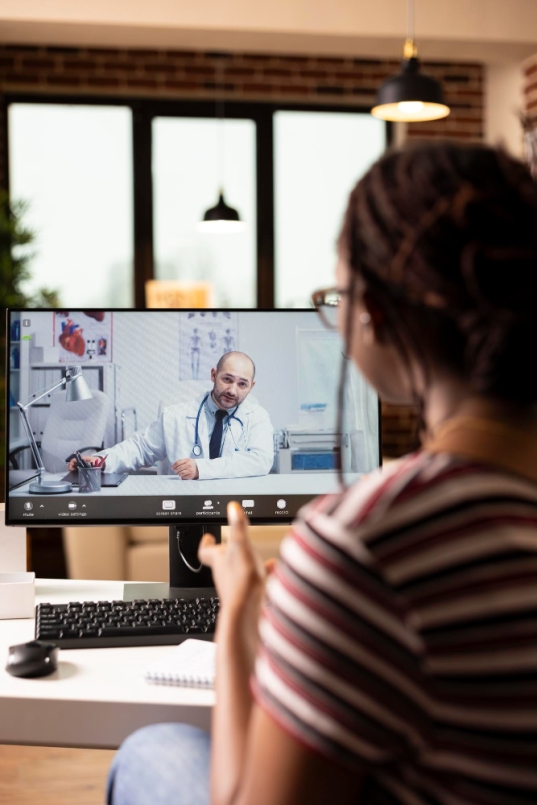
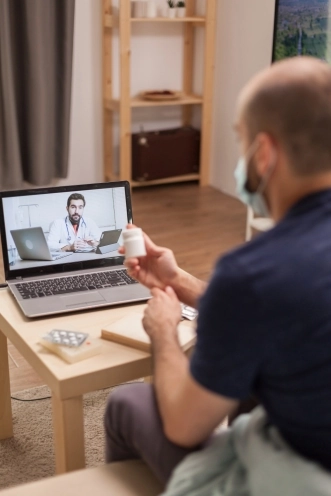
When symptoms show up out of nowhere, it can be hard to know which type of visit you need. At OluCare Med, we help patients understand how telehealth vs urgent care compares so they can make the right call. Some issues only need a quick virtual check, while others require hands-on care as soon as possible. Here's a look at what sets each option apart so you're not guessing when a sudden illness appears.
Mild Symptoms That Need Quick Guidance Fit Well With Telehealth
Some symptoms fall into a gray area where it's hard to know if they need attention or just time, like a low-grade headache, slightly elevated temperature, or a cough that wasn't there yesterday. A stomach that's been off since eating. Deciding what to do can be a challenge, especially when you're already worn out. A video visit removes the guesswork. You connect with a clinician quickly, talk through what's been going on, and get answers about your next move. They'll tell you what signs matter, what you can safely ignore, and how long things should take to improve. And you do all of this from your couch rather than sitting in a waiting room surrounded by other sick people.
Rashes or Skin Changes Can Be Reviewed Through a Virtual Visit
A sudden rash can make anyone uneasy. You want to know if it needs treatment right away or if you can calm it down at home. Telehealth gives you fast visual feedback. A clear camera view helps a clinician study the pattern, color, and shape of the skin change. A lot of rashes come from everyday triggers. Heat, a new lotion or detergent, friction from clothing, or a reaction to something minor. During a virtual visit, we can take a look at the affected area and compare it against patterns we see regularly. From there, we can point you toward over-the-counter treatments, simple home care, or prescribe medication if that's what the situation calls for. We also make sure you know which warning signs would call for an in-person exam. The whole process stays low-stress. You can stay in your home while you get professional input instead of sitting in an exam room with a basic skin concern. As long as the rash is not widespread or paired with major swelling, shortness of breath, or high fever, telehealth is a safe first step.
Cold and Flu Questions Are Easy To Sort Out by Video
Cold and flu season brings sudden coughs, sore throats, and chills. These symptoms make people wonder if they should rush to urgent care. In most cases, a telehealth visit gives you all the direction you need. The visit starts with a conversation about what's been going on. When did symptoms show up, what's gotten better or worse, and is anything going around at home or work? A clinician can catch things from how you sound and whether your breathing is off. You can also use your camera to show throat redness or drainage. Telehealth visits also help you avoid passing viruses in a waiting room or picking up a new one while you feel run-down. Our team can also advise you on when antiviral medicine might help, what timing matters, and how to care for others in your home. Most cold and flu cases can be managed from home with virtual guidance. We make sure you know the signs that require in-person care so you never second-guess yourself.
High Fever or Rapid Symptom Changes Point Toward Urgent Care
There are moments when telehealth reaches its limit. A fever holding above one hundred three degrees, a sudden temperature spike, or symptoms piling on rapidly all warrant a trip to urgent care. Rapid shifts in how you're feeling sometimes require lab work, scans, or an in person exam that a screen can't provide. Telehealth covers a lot of ground with minor illness, but symptoms that escalate or intensify need someone who can evaluate you directly. Children running high fevers are especially time sensitive since they can spike quickly and dehydrate faster than adults. At urgent care, the team can monitor vitals, run tests, and get treatment started on the spot.
Severe Pain Needs an In-Person Evaluation Right Away
Pain tells you when something is wrong, and severe pain should never wait for a virtual check. Intense stomach pain, chest pain, strong headaches, or pain that makes it hard to walk or breathe calls for immediate in-person care. Urgent care clinics have labs, imaging, and exam rooms ready to go. Appendicitis, gallbladder trouble, and heart concerns all require a provider who can press on your abdomen, listen to your chest, and send you for scans or bloodwork on the spot. If you reach out to us with severe pain, our clinicians can direct you to emergency services if your body needs direct tests or imaging.
Do You Need a Telehealth Appointment?
Getting sick out of nowhere leaves a lot of questions, but you don't have to answer them by yourself. OluCare Med connects you with a clinician fast so you can figure out whether home care will do the job or if it's time to be seen in person. Reach out today for your virtual visit. We keep the process simple, so you get answers you can trust.