Menu

Call This Thursday to Get $25 OFF

Minor Injuries

Minor cuts or sprains? OluCare Med offers convenient minor injury care via telehealth in Rockford, IL. Book your visit.

4.8
based on 968 reviews
Minor Injuries

Minor Injuries

Bumps and twists happen fast and can leave you sore or unsteady for a few days. At OluCare Med, we help patients understand which minor injuries can be managed at home and which ones need a closer look. Sprains, strains, and small wounds each have unique symptoms, and knowing them helps you choose the right care right away. This guide breaks down the basics so you can handle these common issues with more confidence.

Minor cuts or sprains? OluCare Med offers convenient minor injury care via telehealth in Rockford, IL. Book your visit.

4.8
based on 968 reviews

Are You Dealing with Muscle Tightness or Sharp Pain?

Muscle tightness feels like the body is guarding itself. You might feel a dull pull right after moving in a way your body didn't expect. Sharp pain provides a clear stop sign. The moment it shows up, you know you pushed past what the joint or muscle wanted to do. Tightness improves with gentle rest and a calm return to normal use. Sharp pain holds on and tells you something deeper needs attention. With a telehealth appointment, you can talk through the moment the pain started, describe the motion that set it off, and get help to sort out whether it's a surface issue or something that needs more focused care. Our clinicians guide you through a simple set of checks right where you are. We help you pinpoint the kind of injury, so you know the safest next step.

Minor Injuries

What’s the Difference Between Strains, Sprains, and Swelling

A strain comes from a pulled muscle. You feel it when the muscle reaches further than it wants. A sprain affects the ligaments around a joint. These injuries show up after a twist that forces the joint outside its normal path. Swelling can show up with either one. It's the body’s first response to protect the area. Light swelling is expected in the first day or two. Marked swelling with heat or bruising means the body is working hard to protect the injured spot. With telehealth, we look at the story behind the injury. We ask how it happened, how the area looks, and how much weight or pressure you can put on it. You can show the injured spot through your camera so we can see the color changes and movement limits. This helps us guide you on rest, elevation, or other steps you can take at home. It also helps us decide if you should seek an in-person evaluation.

Pain or Limited Movement Is a Reason To Get Checked

Minor injuries should ease up in a short window. If pain sticks around or if movement stays limited, it's a sign of a deeper issue. The first day of healing comes with some tenderness. The next few days should bring improvement. A setback or no progress at all tells you the injury needs a closer look. Telehealth gives you a quicker path to answers. You can reach out without leaving home. We walk through the timeline with you and look for signs that the injury needs more care. We also help you avoid pushing the area before it's ready. Some people move too fast because they want to get back to normal right away. Others hold back because they fear making things worse. Our job is to guide you to the right pace so the injured spot can recover. A short check-in can stop small issues from turning into long recoveries.

Do You Have an Injury?

Minor injuries can throw off your routine, but they don't have to take over your week. Professional guidance helps you move with confidence and avoid extra setbacks. OluCare Med gives you quick access to telehealth support so you can sort out sprains, pulled muscles, or swelling before they slow you down. Reach out today so we can help you understand what your injury needs.

Frequently Asked Questions

Frequently Asked Questions

What is telehealth care?

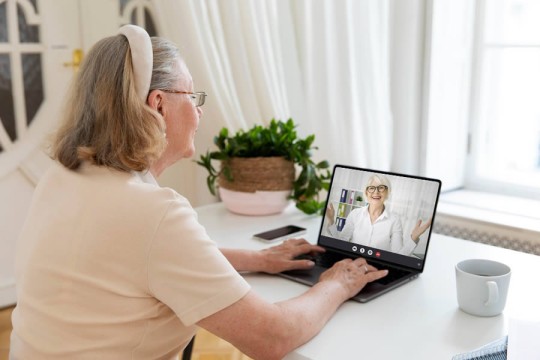
Telehealth care gives you a way to meet with a licensed medical provider through a private video visit instead of going into a clinic. You talk in real time, review your symptoms, and ask questions just as you would during an in-person appointment. Many routine concerns can be handled safely through this format, which makes it practical for busy schedules.

Can I talk about cold symptoms or sinus pressure during a virtual visit?
How does a virtual appointment take place?
Can a provider help with stomach issues during a telehealth visit?
Do providers write prescriptions during virtual care?
Can telehealth support primary care needs?
Can a provider assess a rash or redness through video?
What kind of device do I need for a visit?
Can I discuss mild breathing concerns during a virtual visit?
Can children take part in telehealth visits?
How long does a virtual visit last?
Can telehealth help with headaches or migraines?
Is my information private during a virtual appointment?
Can I ask about medication side effects?
Does insurance cover telehealth visits?
Can I talk about women’s health concerns during a virtual visit?
Can a telehealth provider order labs?
What happens if my video call disconnects?
Can telehealth help with stress or mood changes?
Can I schedule a same-day appointment?
Do I need my past medical records before I start?
Can I talk with a provider about chronic conditions?
Can I receive a referral during a virtual visit?

Reviews

Samuel Foster

My appointment started on time, the provider was professional, and I left with a clear plan. This was one of the best telehealth experiences I’ve had.

Chloe Bell

The entire experience was smooth and reassuring. The provider showed genuine concern and provided clear guidance.

Liam Rivera

The convenience and quality of care were excellent. I plan to continue using OluCare Med for future needs.

Grace Morris

Despite being a virtual visit, the care felt personal. The provider listened carefully and addressed all my concerns.”